


Bun Oc in Hanoi's Old Quarter: Best Spots and How to Eat It Right
Early morning in the Old Quarter, you don't even need to spot a sign, just a faint whiff of tangy fermented rice vinegar drifting on the air tells you a bun oc stall is nearby. No elaborate seating required, sometimes just a few small plastic stools pulled up to the curb, yet a bowl of Old Quarter bun oc has kept generations of Hanoians coming back for decades.
What is bun oc in the Old Quarter, and what makes it distinctive?
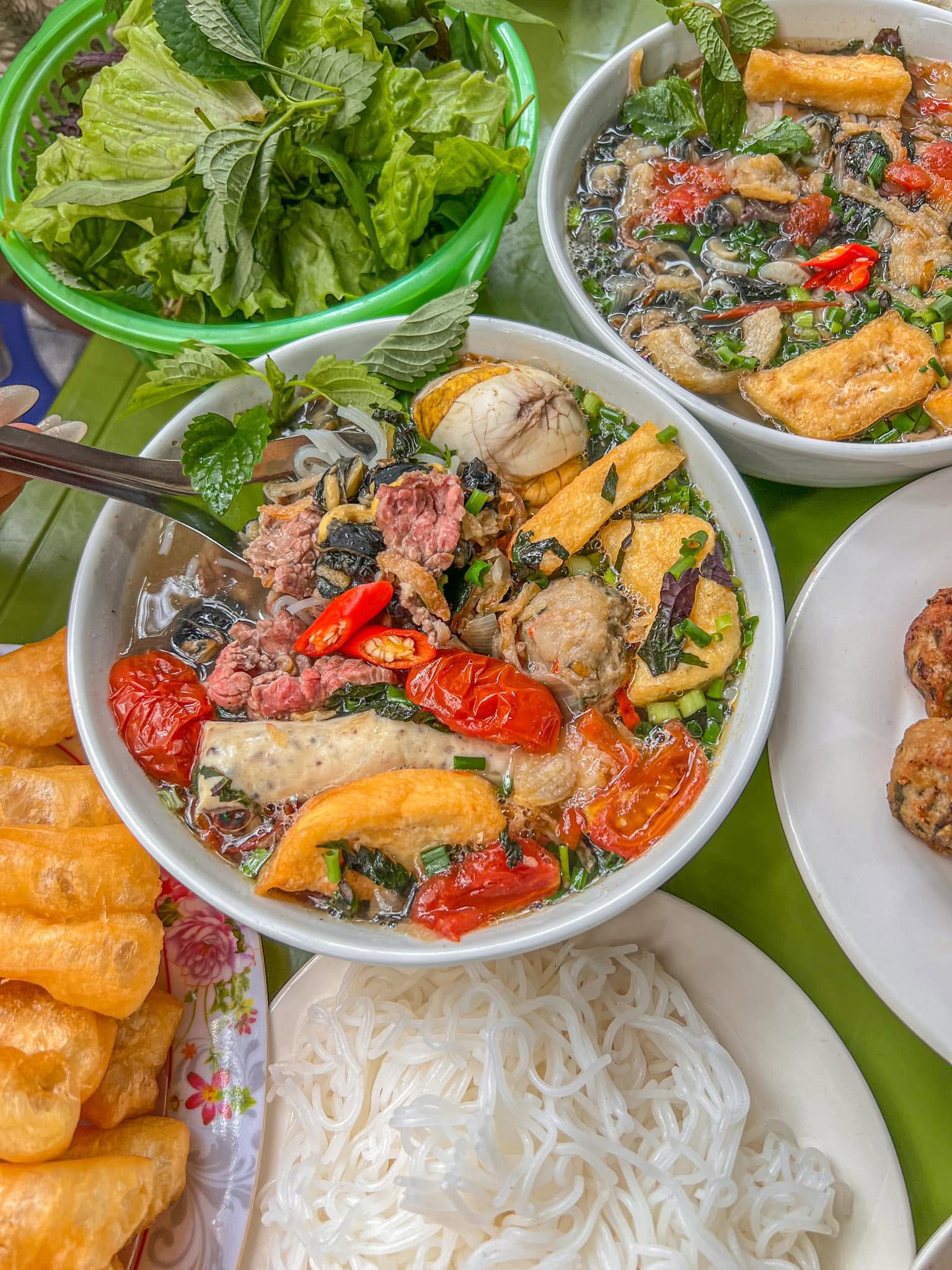
Bun oc is a noodle dish served with boiled or stir-fried snails, ladled with a tangy broth made from fermented rice vinegar and sautéed tomato, finished with a sprinkle of chopped spring onion and Vietnamese perilla. The snails used are typically apple snails or "oc mit" (jackfruit snails), carefully cleaned, and at some stalls stir-fried with turmeric first to bring out their aroma.
It's a humble, everyday dish with roots in the street vendors who wound through Hanoi's alleys as far back as the early 20th century. In his celebrated book "Mieng Ngon Ha Noi" (Hanoi's Delicacies), writer Vu Bang once remarked that this was a treat that had reached the pinnacle of Hanoi's art of good eating, according to Thanh Nien newspaper.
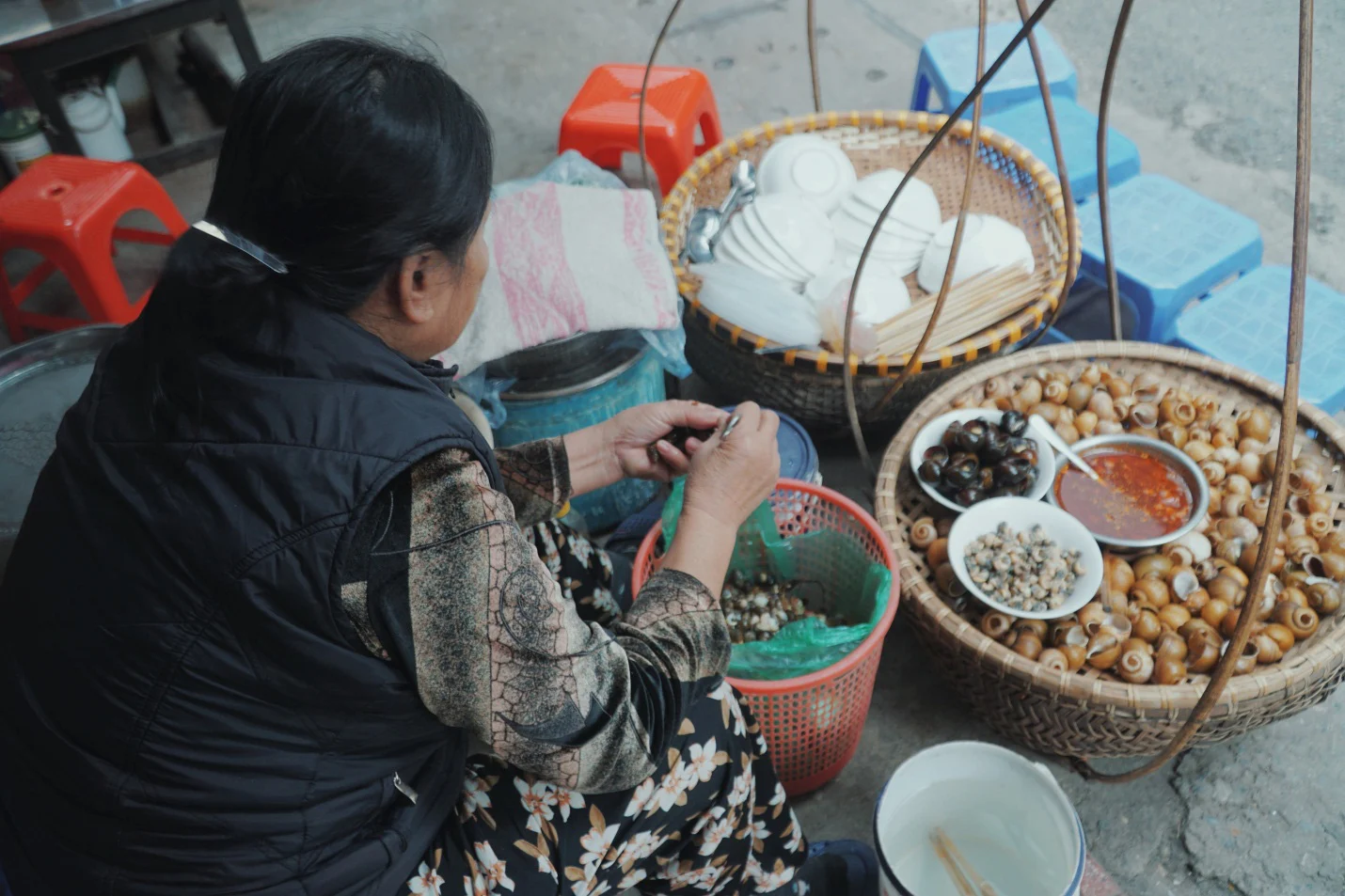
For old Hanoians, the bun oc vendor's carrying pole wasn't just a food stall, it was an image woven into the childhood memories of generation after generation, as women carried their baskets on shoulder poles through the streets, calling out to sell steaming bowls each morning or afternoon.
There was even folk wisdom passed down about choosing snails by season, with the saying that snails taste best from around the Mid-Autumn Festival through the tenth lunar month, while summer or winter snails tend to be thinner and carry more young, less flavorful ones. It's this meticulous care, from selecting the snails to rinsing them and simmering the broth, that has elevated bun oc into one of Hanoi's most refined culinary treats, not merely a bowl of street food.
What makes Old Quarter bun oc especially distinctive is the parallel existence of two versions with entirely different personalities. Hot bun oc exists to satisfy a quick, warming meal, especially fitting on a chilly day, while cold bun oc carries a slower, more refined character, traditionally prepared by mothers and grandmothers on sweltering summer afternoons as a cooling treat. With cold bun oc, both the noodles and the snail broth are served cold, eaten by dipping rather than ladling, and in the traditional style, the broth is seasoned only with fermented rice vinegar, without the fermented shrimp paste many modern variations add today.
Where to find the best bun oc right in the Old Quarter
If you're already in the Old Quarter and wondering where to find the best bun oc without traveling far, these three names almost always top the list.
Bun Oc Co Hue, 43 Nguyen Sieu, Hang Buom ward. This is arguably the most famous bun oc spot in the Old Quarter, running for more than 35 years, with a memorable story behind it. Ms. Bui Thi Hue was born and raised in Hung Yen, and as a young woman moved to Hanoi to make a living selling bun oc for someone else on Hang Giay Street. Thanks to her diligence and cleanliness, her employer passed down the family recipe to her, and she carried on the trade even after the original owner passed away.
For around 20 years, she carried her baskets on a shoulder pole, selling around the Old Quarter before she had the means to settle into the fixed stall she runs today, according to Dan Tri newspaper. Every morning starting at 4am, she and her family begin prepping ingredients, with the snails always receiving the most careful attention.
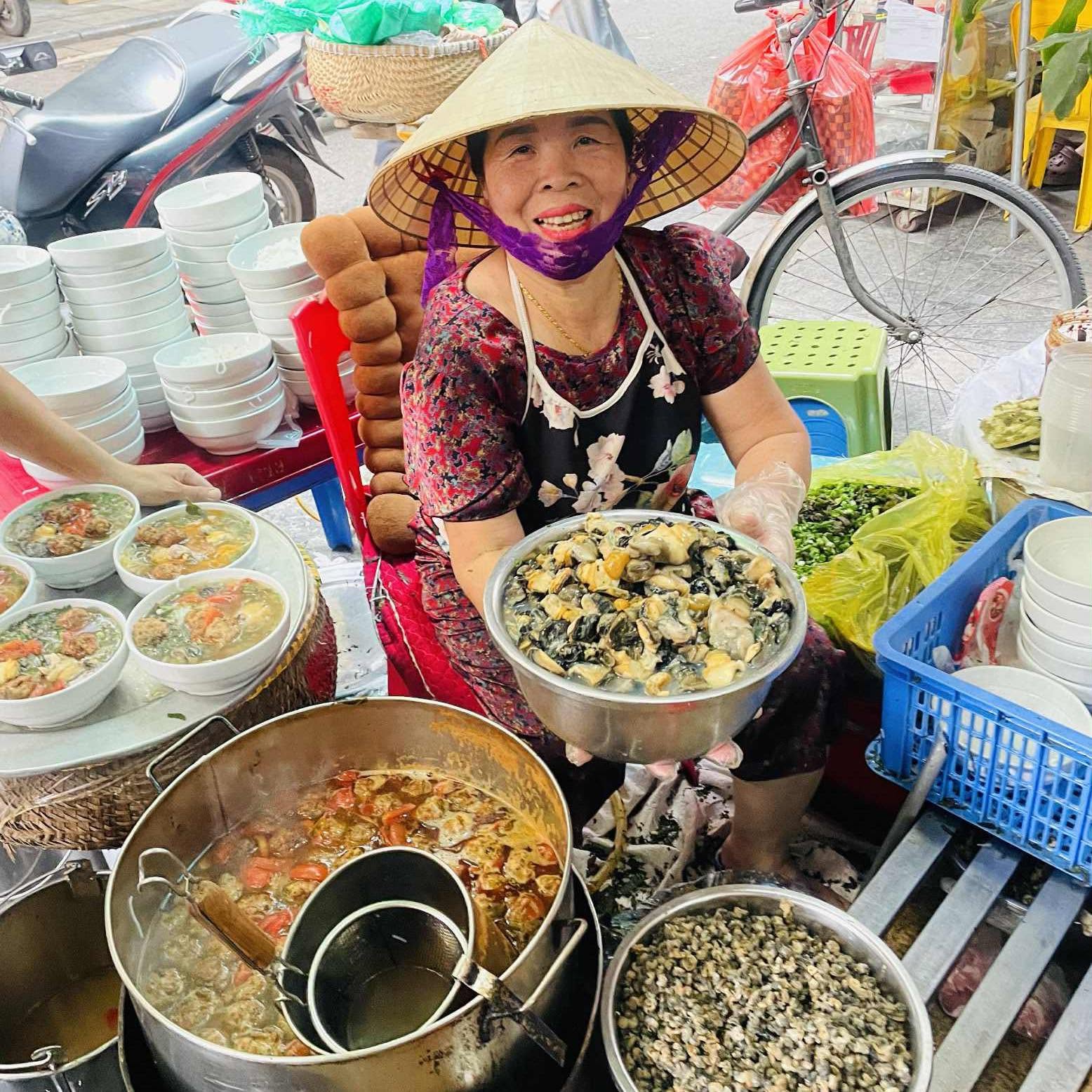
The broth here has a character all its own, a hint of spice woven through the gentle tang of fermented rice vinegar, setting it apart from many other spots. The stall serves both hot and cold bun oc, selling hundreds of bowls a day, with reference prices ranging from around 30,000 to 100,000 VND depending on added toppings like Vietnamese pork roll or pork ribs.
Cold bun oc across from O Quan Chuong Gate, 1 Hang Chieu. This unassuming sidewalk stall has been running for decades and has long drawn nostalgic diners looking to relive the flavor of old-school cold bun oc, a treat that seemed to be slowly fading amid modern life. It's one of the rare addresses that still keeps the authentic traditional style of cold bun oc, sitting right across from the historic gate. A serving costs around 35,000 VND, with plump snails and a bowl of lightly sweet-and-sour fermented vinegar broth. If you're worried about staying hungry, you can add an extra portion of rice vermicelli for 5,000 VND. The stall is open roughly from 6:30am to 2:30pm.
Bun Oc Co Giang, 36 Luong Ngoc Quyen. This family-run stall is woven into the memories of more than a few generations of Hanoians, open roughly from 7:30am to 3pm. What sets it apart is its use of "oc mit" (jackfruit snails), prized for their large, crunchy meat with less slime than ordinary snails, and a broth that's crystal clear, leaning sweeter rather than sharply sour. The space is simple, usually just a handful of small stools set right on the sidewalk, no elaborate tables and chairs, but that's very much part of the character of this dish. Reference prices run around 30,000 to 50,000 VND a bowl.
Should you try hot or cold bun oc first?
If this is your first time trying bun oc, the advice is to try the hot version first, since the flavor is more familiar and approachable, closer to what most people picture when they think of a bowl of noodle soup.
It's worth being upfront: cold bun oc isn't an easy dish to win over on the first try, even for many Vietnamese diners, let alone foreign visitors. There are a few reasons it can feel unfamiliar at first.
First, both the noodles and the broth are served completely cold, quite different from the usual image of a steaming hot bowl of noodle soup, so the first impression can feel a little strange, even like an "unfinished" dish if you're used to traditional hot noodle soups. Second, the tang of fermented rice vinegar in cold bun oc tends to come through more sharply and distinctly at room temperature, compared with when it's diluted in a hot broth. Third, the dipping style of eating, picking up a bite of noodles and dunking it into the bowl of snail broth, is quite different from the usual habit of slurping noodle soup, leaving many first-timers unsure where to start.
That said, this is exactly what gives cold bun oc its value. Don't judge it too quickly after just a bite or two, be patient and work through a full serving to fully appreciate the balance between the tangy, lightly sweet broth and the crunch of the jackfruit snails. Many seasoned diners say it takes a few tries before you truly get "hooked," since the appeal of cold bun oc lies in its subtlety and slow reveal, rather than announcing itself from the very first bite the way most hot noodle soups do.
If you're the adventurous type, you can order both to compare in a single sitting, many stalls, including Bun Oc Co Hue and Bun Oc Co Giang, serve hot and cold versions side by side. If you only have time for one, let hot bun oc be your introduction, then save another visit for when you're ready to take on the distinctly different experience of the cold version.
How to eat bun oc the right way
To get the fullest flavor from a bowl of bun oc, hot or cold, a few things are worth keeping in mind:
For hot bun oc: add a splash of fermented rice vinegar or chili sauce to taste before eating, stirring well so the tangy, spicy notes blend into the broth.
For cold bun oc: don't ladle the broth over the noodles as usual, instead pick up a bite of noodles and dip it into the bowl of snail broth, this is the proper way to eat this style.
Add toppings if you want a fuller meal: many stalls sell extras like pork ear roll, pork ribs, or fried tofu, which make for a heartier bowl if you're having it as a main meal rather than a light snack.
Add fresh herbs and chopped perilla: a sprinkle of perilla or Vietnamese balm right before eating brings out a noticeably stronger aroma.
Eat it while the snails are still crisp: with either style, snails lose their natural crunch if left sitting too long, so it's best enjoyed as soon as it's served.
Where to rest near the bun oc area in the Old Quarter
All three stalls above sit within a short walk of the Hang Buom area, just a few minutes from Hoan Kiem Lake. It's also a very convenient area if you're looking for a place to stay, letting you start your morning with a steaming bowl of hot bun oc, then wander the Old Quarter at leisure before heading back to rest.
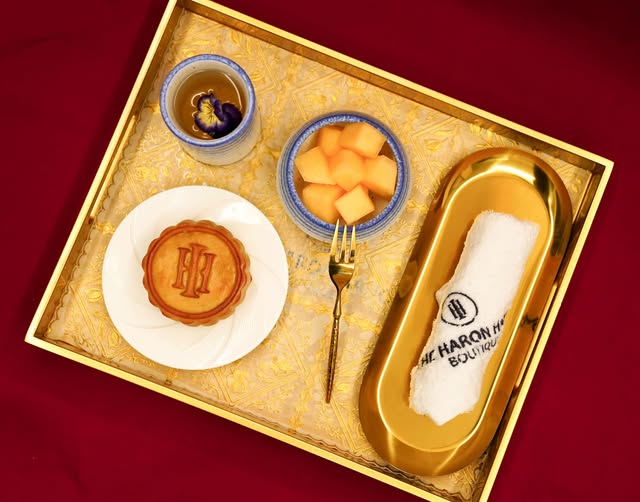
The Haron Hanoi Boutique, located at 39 Hang Trong, is a suggestion nearby, offering a quiet, private space to recharge after a morning spent wandering between street food stalls. If you'd like to explore more of the Old Quarter's food scene, an article on what to see and eat in Hanoi's Old Quarter can offer plenty more suggestions. See our room types at The Haron if you need a place to stay right near this area.
FAQ: Frequently Asked Questions
What's the difference between hot and cold bun oc? Hot bun oc is served with hot broth ladled over the noodles, like most noodle soups. Cold bun oc has both the noodles and the snail broth served cold, eaten by dipping the noodles into the broth rather than ladling it on, offering a distinctly different flavor and experience.
Which bun oc stall is the most famous in the Old Quarter? Bun Oc Co Hue at 43 Nguyen Sieu is the most talked-about, thanks to over 35 years in business and serving both hot and cold versions. The cold bun oc stall across from O Quan Chuong Gate and Bun Oc Co Giang on Luong Ngoc Quyen Street are also two well-loved names.
How much does a bowl of Old Quarter bun oc cost? Reference prices run around 30,000 to 50,000 VND a bowl depending on the stall, and can run higher with added toppings like pork roll, ribs, or a fuller serving.
What time of day is best for bun oc? Most Old Quarter bun oc stalls are open from morning through early afternoon, roughly 6:30am to 3pm, making it best suited for breakfast or a light lunch. A few other stalls open later in the afternoon or evening, so it's worth checking specific hours before visiting.
Old Quarter bun oc comes in two main versions, hot and cold, with the cold version being a distinctive trait hard to find elsewhere. The three spots most worth trying are Bun Oc Co Hue, the cold bun oc stall across from O Quan Chuong Gate, and Bun Oc Co Giang, with reference prices around 30,000 to 50,000 VND a bowl.
If you're exploring this area, The Haron (39 Hang Trong) is a nearby place to rest after a morning steeped in Hanoi flavor. Looking for a quiet place to stay near the Old Quarter's food scene?
Reach out via hotline +84 24 3209 1666, or visit The Haron Hanoi Boutique at 39 Hang Trong, Hoan Kiem, Hanoi.