


Hanoi Train Street Cafe: Guide & Tips (2026)
Hanoi has always held tucked-away corners that spark curiosity, and the sight of trains rumbling inches past residential doorsteps, weaving through rows of cafe tables, was once among its most iconic. Yet behind that postcard-perfect frame lies an ongoing story of safety concerns and shifting local regulations.
Join The Haron to discover the Hanoi Train Street cafes safely and thoughtfully—learning where this area is, whether it remains open, how to visit responsibly, and which worthwhile experiences await nearby in the Old Quarter.
What and Where Is Hanoi Train Street?
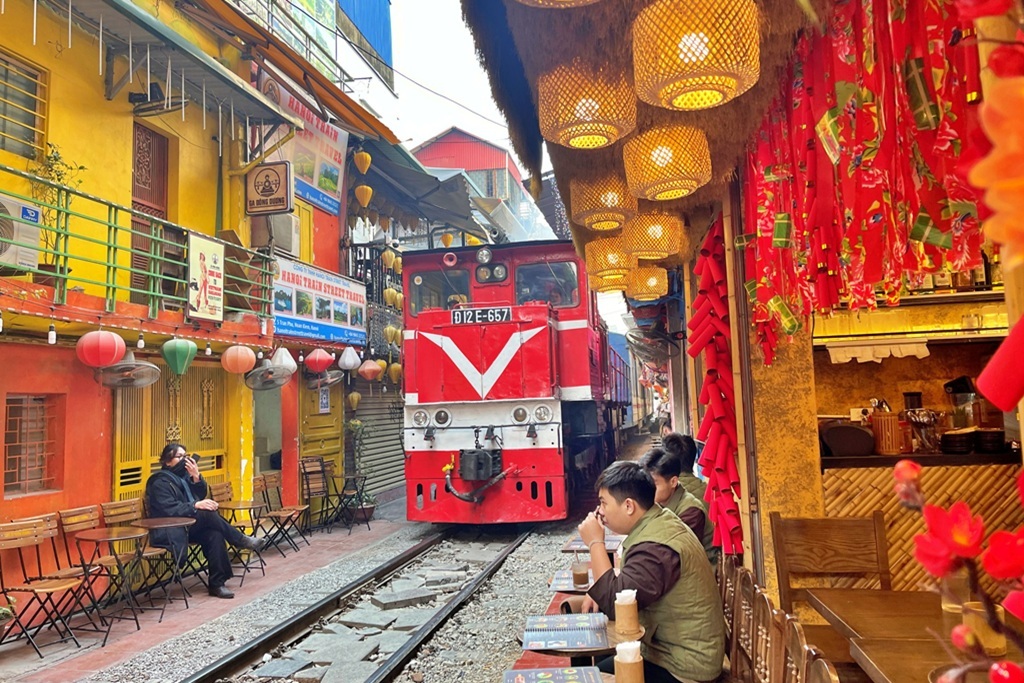
The train street cafes are small establishments flanking active railway tracks, where patrons sip drinks alongside operating rail lines and watch trains pass within arm's reach. Emerging organically around 2018, this unique setup rapidly became a must-visit attraction for international travelers seeking an uncommon urban spectacle.
The most famous section sits on the tracks connecting Hanoi Railway Station and Long Bien Station, cutting across Tran Phu, Phung Hung, Kham Thien, and Le Duan streets, as reported by VnExpress. The Tran Phu–Phung Hung stretch in Hoan Kiem District draws the highest foot traffic due to its close proximity to the Old Quarter.
Is Hanoi Train Street Still Open? 2026 Latest Status
This is the primary question to resolve before mapping out your trip. The candid answer: the area faces strict enforcement and is no longer an officially sanctioned or freely accessible destination.
Railway safety corridors are not zoned for commercial dining or public gatherings. Despite standing bans and permanent barricades stationed at the entrance of Tran Phu Street, significant numbers of tourists still attempt to bypass checkpoints daily. Vietnam Railways Corporation has repeatedly called for definitive resolutions to these safety violations, prompting local authorities to conduct multiple clearance drives, enforce shutdowns, and mandate signed pledges from homeowners against encroaching on the tracks, according to VnExpress and Bao Van Hoa.
The safety hazards are tangible, not merely precautionary: past incidents have recorded passing trains clipping cafe furniture, and visitors often stand mere paces from active railcars.
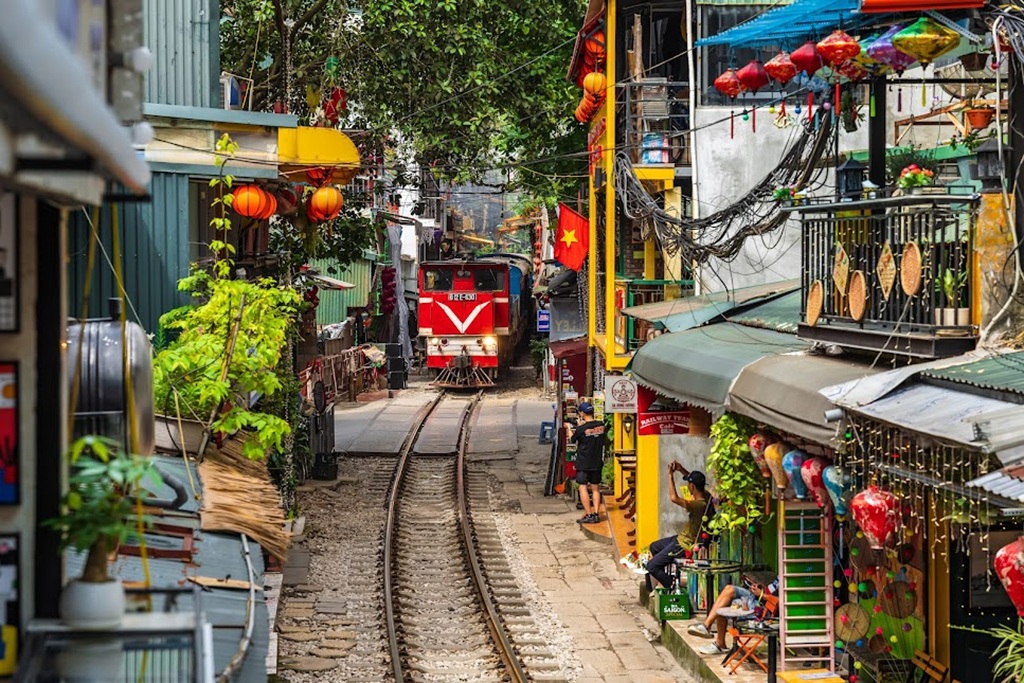
Looking ahead, the Hanoi People's Committee proposed restructuring inner-city rail operations in early 2026—terminating southbound passenger trains at Hanoi Station and northbound trains at Gia Lam Station. Concurrently, municipal authorities requested the transfer of the Gia Lam–Hanoi railway infrastructure to urban planners for historic preservation and renewal, with targeted completion in Q2 2026. Because the landscape of the railway corridor is in flux, always verify operational conditions immediately prior to your arrival.
Best Times to Visit?
If you choose to experience the neighborhood's atmosphere, prioritize legality and safety above all else. For balanced lighting and thinner crowds, standard favorable windows include:
Early morning (approx. 6:00 AM – 8:00 AM): Crisp air, minimal foot traffic, gentle light, and an unobstructed look into local morning routines.
Late afternoon (approx. 4:00 PM – 6:00 PM): Soft golden-hour glow without harsh overhead sun.
Evening: Neon lights create a distinct ambiance, though ambient visibility drops significantly.
Important Note: Because access restrictions fluctuate regularly, optimal visiting hours matter only if the corridor is legally accessible at that specific moment. Check the latest announcements, heed police instructions at the barricades, and observe from a secure distance rather than attempting to slip onto the tracks.
Train Timetable Overview?
Trains typically pass through the railway cafe corridor within these general windows throughout the day:
Morning: 6:00 AM – 7:00 AM
Midday: 12:00 PM – 1:00 PM
Afternoon: 3:30 PM – 4:30 PM
Evening: 6:00 PM – 7:00 PM
Night: 9:00 PM – 10:00 PM
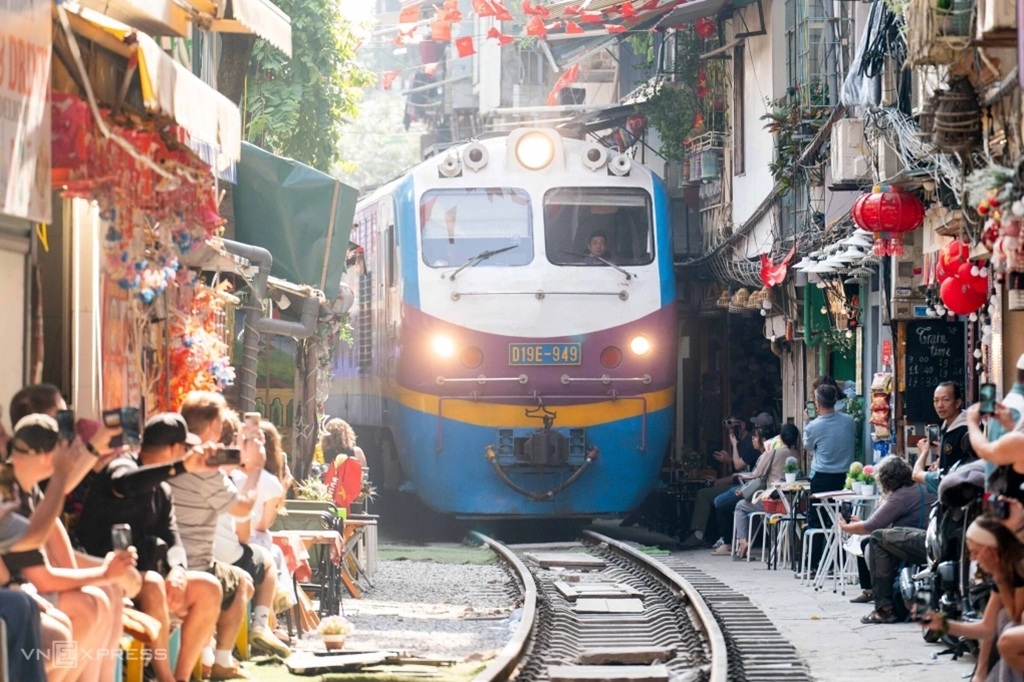
Keep two crucial caveats in mind:
First, rail passages shift according to master transport timetables and proposed 2026 schedule updates; there is no permanent, fully reliable schedule. For verified departures, cross-reference official Vietnam Railways bulletins or Hanoi Station notices directly before your visit.
Second, and most vital: safety rules apply regardless of arrival times. Whenever a train approaches, step completely behind all marked safety perimeters, never turn your back to the engine for photos, keep personal gear off the rails, and supervise children closely. A photo opportunity never justifies risking personal safety.
Tips for a Safe and Responsible Visit
Confirm current access rules: Verify whether entry is permitted before setting out, preventing wasted detours at police barricades.
Respect barriers and official warnings: Never bypass cordoned-off checkpoints; comply immediately with directives from local officers.
Maintain track clearance: Do not sit, stand, or set camera gear on the rails, and remain ready to step back well before a train passes.
Respect residential privacy: Keep noise levels down, pack out all trash, and refrain from wandering uninvited into private homes for photo backdrops.
Tread lightly: Dress respectfully and select quieter hours to appreciate the heritage quarter undisturbed.
Alternative Experiences Around the Old Quarter
If track access is closed, the surrounding Old Quarter offers equally compelling, safe, and atmospheric cultural stops:
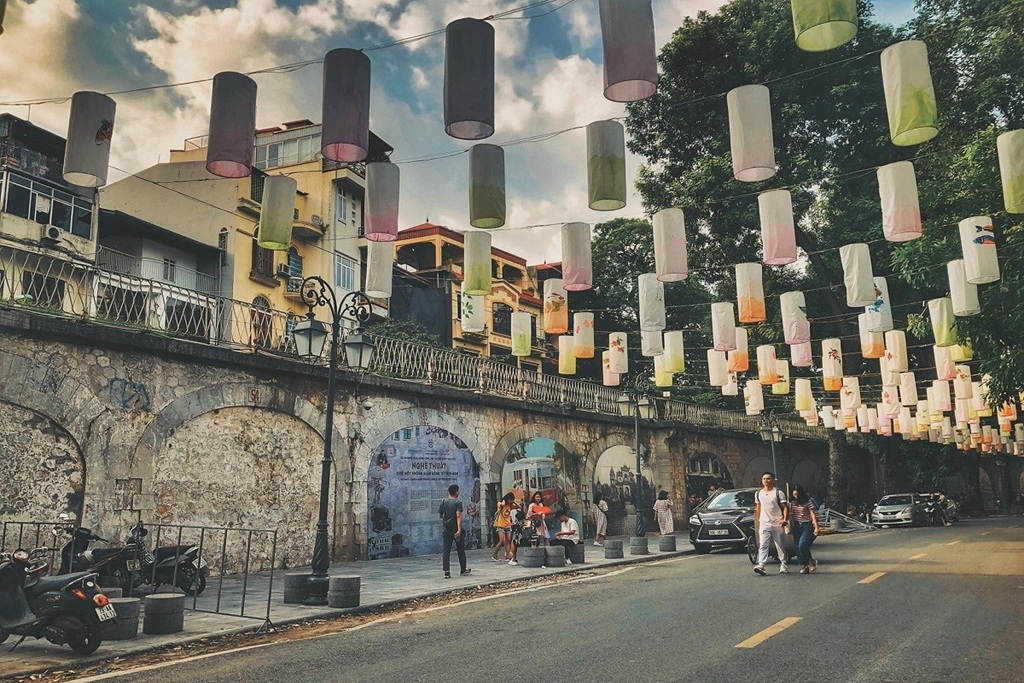
Phung Hung Mural Street: Located right next to the rail tracks, this pedestrian-friendly avenue features preserved railway arch murals depicting historical Hanoi street scenes—ideal for portrait photography without safety hazards.
Historic cafe culture: The streets surrounding Hoan Kiem Lake host serene coffee spots where you can slow down and take in local urban life.
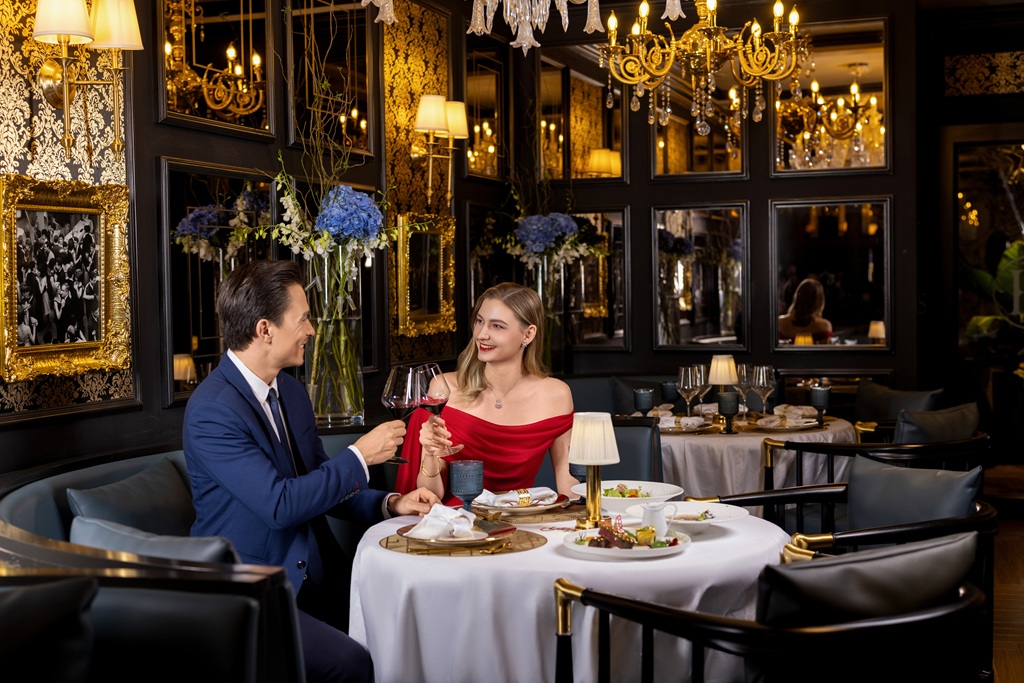
The Haron Hanoi Boutique: For a private retreat, The Haron Hanoi Boutique sits at 39 Hang Trong—a prime setting by Hoan Kiem Lake, just minutes from the Phung Hung arches. It features a sunset rooftop overlooking the city skyline, fine dining at Sir Elly’s restaurant, and soundproofed boutique rooms blending Old Hollywood aesthetics with Indochine design.
Frequently Asked Questions
Are Hanoi Train Street cafes currently open?
The cafe zone remains under heavy municipal restrictions and repeated safety crackdowns. Hanoi authorities have also proposed rerouting train lines and renovating the corridor throughout 2026. Access changes frequently, so always verify the latest local status before visiting.
What is the best and least crowded time to visit?
Assuming lawful access is open, early mornings (6:00 AM – 8:00 AM) and late afternoons (4:00 PM – 6:00 PM) offer the best light and fewest crowds. Complying with on-site safety personnel remains paramount.
What time does the train pass through?
Timetables fluctuate based on national rail schedules and pending 2026 route modifications. Consult official railway timetables on the day of your visit, and always step well back from the tracks when sirens sound.
Is visiting Hanoi Train Street dangerous or subject to fines?
Yes, risks are real. The strip sits directly within an active railway clearance zone, past physical collisions have occurred, and law enforcement actively patrols against unauthorized access. Always respect posted barriers and avoid crossing restricted boundaries.
Hanoi Train Street cafes are situated along the Tran Phu – Phung Hung – Kham Thien section, running between Hanoi Station and Long Bien Station near the Old Quarter. The area is currently subject to tight restrictions and regular enforcement for railway safety; with train schedules and urban plans shifting in 2026, always check the latest updates and make safety your top priority.
There are plenty of scenic and safe alternatives nearby, such as the Phung Hung Mural Street and the boutique ambiance of The Haron, ensuring your Old Quarter journey remains complete.
Looking to fully experience the Old Quarter from a stay right in the heart of the city?
Contact Hotline: +84 24 3209 1666
The Haron Hanoi Boutique, 39 Hang Trong, Hoan Kiem, Hanoi.