


Bun Cha in Hanoi's Old Quarter: Top 5 Authentic Spots
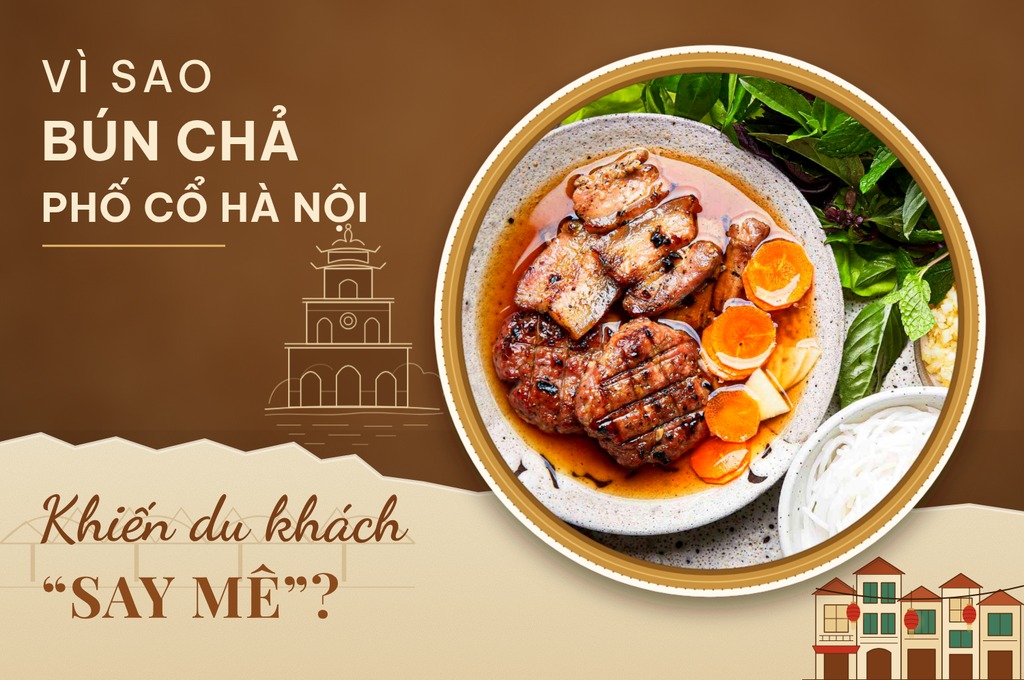
Bun cha in Hanoi's Old Quarter is charcoal-grilled pork dipped in a sweet-and-sour fish sauce dip, served with rice vermicelli and fresh herbs, once named by National Geographic among the top 15 best street foods in the world.
Just walking past a corner of the Old Quarter around midday, the white smoke rising off glowing charcoal grills, the smell of grilled pork mingling with shallots and garlic, is enough to make anyone turn their head to find where that sizzling sound is coming from. That's bun cha, a simple dish that has won the hearts of countless international visitors when they think of Hanoi's food scene.
What makes bun cha in Hanoi's Old Quarter special?
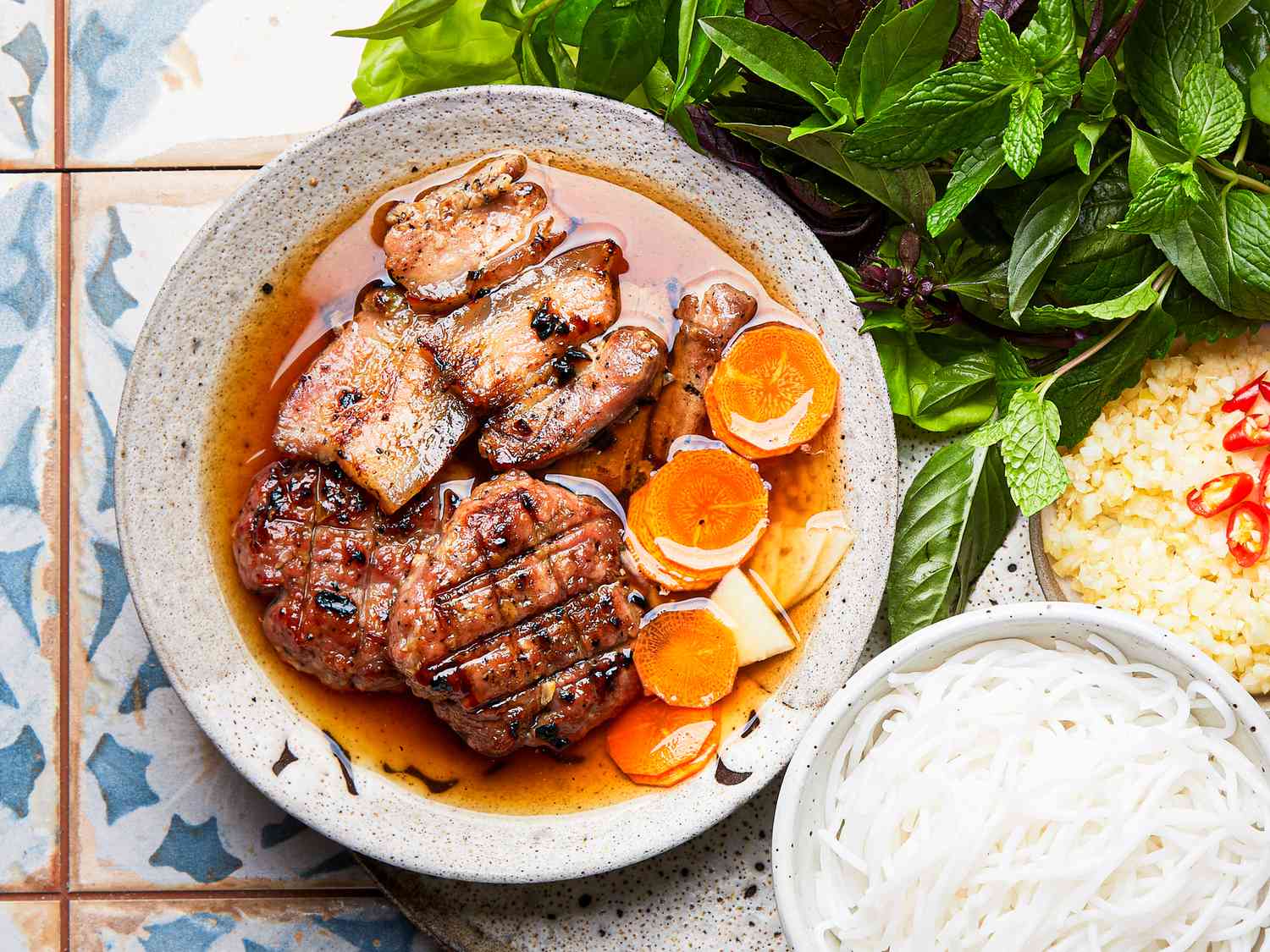
Bun cha is charcoal-grilled pork, usually served in two forms: sliced patties cut from pork belly or shoulder, and rounded patties of minced pork shoulder. Both are grilled until slightly charred at the edges and fragrant, then dropped into a bowl of sweet-and-sour fish sauce, served with loose rice vermicelli and a generous plate of fresh herbs.
It's no accident that bun cha has become one of the most talked-about dishes when it comes to Vietnamese cuisine on the world stage. The dish was once named by National Geographic magazine as one of the 15 best street foods in the world. Its influence grew so large that in 2016, former US President Barack Obama sat on low plastic stools in the heart of Hanoi to eat bun cha alongside the late chef Anthony Bourdain, an image that later spread around the world and made this humble dish even more famous.
What helps bun cha in the Old Quarter hold onto its special standing among serious food lovers is a grilling technique that has almost become a memory of the past, grilling the meat on bamboo skewers instead of the metal grates most restaurants use today.
What is bamboo-skewer bun cha? A fading grilling technique
If you look closely, out of roughly 10 bun cha restaurants in Hanoi, only one or two still keep the traditional bamboo-skewer grilling method, the rest have all switched to metal grates for convenience and speed. With bamboo-skewer bun cha, the meat is sandwiched between two flattened strips of young bamboo, tied in place with bamboo string, before being grilled over glowing charcoal.
What makes this method special is that fresh bamboo releases a touch of natural oil when exposed to heat, which helps the meat turn out more tender while carrying a faint, distinctly herbal aroma that a metal grate simply can't replicate. Beyond flavor, grilling on bamboo skewers has the practical advantage of leaving no metal residue on the meat, unlike an old, worn metal grate.
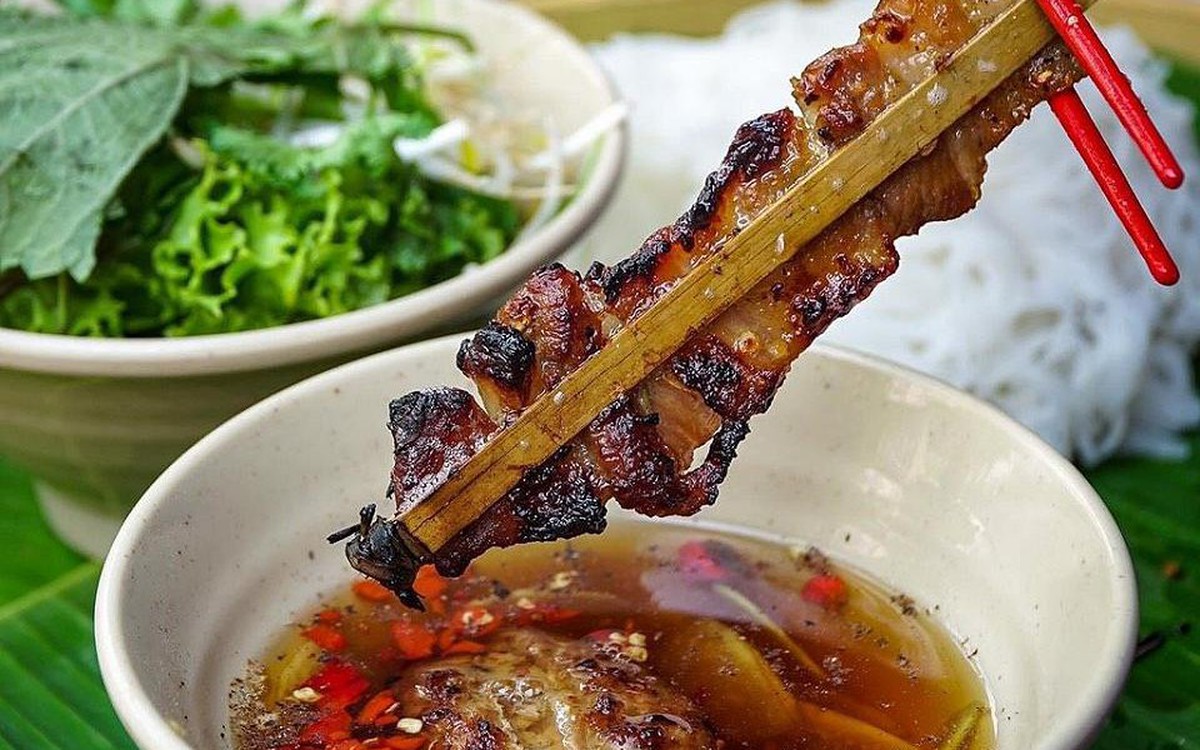
Because it demands more effort, from selecting the right bamboo and shaving it into skewers to a longer grilling time, most restaurants have abandoned this method in favor of the simpler metal grate. That's why finding an Old Quarter bun cha restaurant that still holds onto the traditional bamboo-skewer technique is a rare and worthwhile culinary experience, almost a glimpse into a slice of old Hanoi.
The best bun cha restaurants in Hanoi's Old Quarter
Here are the five restaurants most often mentioned when you ask Hanoians or seasoned travelers about the Old Quarter's famous bun cha.
Restaurant | Address | Notable for | Reference price |
|---|---|---|---|
Bun Cha Dac Kim | 1 Hang Manh | Since 1965, Michelin Guide recommended | 70,000-90,000 VND |
Bamboo-Skewer Bun Cha | 33 Hang Giay | Grilled on bamboo skewers, fresh bamboo from Tam Dao | 60,000 VND |
Bun Cha Hang Quat | 74 Hang Quat alley | Over 20 years, patties wrapped in wild betel leaf | 40,000-50,000 VND |
Bun Cha Cua Dong | 41 Cua Dong | Since the 1960s, spacious seating | 65,000 VND |
Bun Cha Chi Lan | 6 Chuong Duong Do | Amber-golden grilled meat, always busy | Check when ordering |
Bun Cha Dac Kim, 1 Hang Manh. This is a name that's almost impossible not to mention when talking about Old Quarter bun cha. The restaurant opened in 1965, named after its first owner, and has been passed down through several generations of the family to this day, according to VnExpress. The space spans three floors and is consistently packed with both domestic and international diners, especially during the midday rush. Thanks to its long-standing quality and reputation, Bun Cha Dac Kim has earned a spot on the Michelin Guide's recommended list in Vietnam, a recognition not many street food restaurants achieve. Reference prices for a full serving run around 70,000 to 90,000 VND.
Bamboo-Skewer Bun Cha, 33 Hang Giay. Tucked among old houses, this is one of the few restaurants still keeping the traditional bamboo-skewer grilling method alive. Owner Ms. Ngoc Huyen shares that the secret to preserving the dish's signature flavor lies in always using fresh, new bamboo skewers, carefully selected and shipped directly from Tam Dao to Hanoi each day. A serving of bamboo-skewer bun cha costs 60,000 VND, with evenly grilled sliced patties on two bamboo skewers and minced patties wrapped in fragrant wild betel leaf. If you'd like, you can add crab spring rolls or fermented pork rolls for 25,000 VND per serving.
Bun Cha Hang Quat, 74 Hang Quat alley. Tucked deep in a small alley, this restaurant has been running for more than two decades and has become a familiar stop for more than a few of Hanoi's serious food lovers. Owner Ms. Dao Thi Mai Lan prepares around 400 to 500 servings a day, and they almost always sell out early given the crowds. What sets this restaurant apart is its patties wrapped in wild betel leaf, carrying a distinctly fragrant aroma, served with crunchy pickled vegetables and a dipping sauce praised for being well-balanced, neither too salty nor too sweet. The restaurant only serves during a short window, roughly 10am to 2pm, with reference prices around 40,000 to 50,000 VND a serving.
Bun Cha Cua Dong, 41 Cua Dong. Open since the 1960s, this restaurant has weathered many ups and downs while keeping its flavor nearly unchanged for decades. Unlike many Old Quarter bun cha spots with cramped seating, Bun Cha Cua Dong has a fairly spacious outdoor seating area, with parking and wifi for guests, making it a good fit if you'd like to linger a bit longer. Reference prices run around 65,000 VND a serving, with fried spring rolls available for an extra 15,000 VND each.
Bun Cha Chi Lan, 6 Chuong Duong Do. Located near the dike area, slightly outside the traditional Old Quarter core but still within Hoan Kiem district, this is a small restaurant that's always packed thanks to its striking amber-golden grilled meat. Its strength lies in skillfully grilled meat and patties, paired with pickled papaya and carrot served alongside vermicelli and fresh herbs for a well-balanced flavor. A minor downside is that despite having plenty of staff, service can be a bit slow during peak hours.
How to eat bun cha the right way
To get the fullest flavor from a serving of bun cha, a few things are worth keeping in mind:
Dilute the dipping sauce if needed: if the fish sauce bowl tastes a bit strong, you can ask for a little warm water, and add minced garlic and chili to taste.
Dip the noodles into the sauce, don't pour it over: pick up a bit of vermicelli and fresh herbs, and dip it directly into the bowl of sauce with the grilled meat, this is the proper way to eat it, rather than pouring the sauce over the noodles like many other noodle soup dishes.
Make use of the pickled papaya and carrot: the sweet-and-sour pickled green papaya and carrot in the dipping sauce aren't just a garnish, they help balance the richness of the grilled meat.
Cut crab spring rolls into smaller pieces before dipping: if you order crab spring rolls, cut them into bite-sized pieces to make dipping into the sauce and eating with the noodles easier.
How much does Old Quarter bun cha cost?
Prices for a serving of bun cha in the Old Quarter vary fairly widely, from around 35,000 to 90,000 VND depending on the restaurant. More casual, fast-serving spots like Bun Cha Hang Quat or Bun Cha Chi Lan tend to be more affordable, while restaurants with a long-standing reputation or larger scale, like Bun Cha Dac Kim, tend to run noticeably higher, largely reflecting their brand and prime location right in the heart of the Old Quarter.
With bamboo-skewer bun cha, the 60,000 VND price also partly reflects the extra effort involved compared with ordinary metal-grate grilling, from selecting and shaving the bamboo to the longer grilling time needed to preserve its signature flavor.
Where to rest near the bun cha area in the Old Quarter
Most of the restaurants above sit within a short walk of the Hang Manh, Hang Giay, and Cua Dong area, just a few minutes from Hoan Kiem Lake. It's also a very convenient area if you're looking for a place to stay that lets you pair an Old Quarter food outing at midday with an afternoon exploring the nearby craft streets.
The Haron Hanoi Boutique, located at 39 Hang Trong, is a suggestion nearby, offering a quiet, private space to rest after a midday spent enjoying authentic Hanoi-style bun cha. If you'd like to learn about other Vietnamese dishes tied to famous culinary stories, an article on Hanoi's best spring rolls also touches on the bun cha and Obama story from a different angle. See our room types at The Haron if you need a place to stay right near this area.
FAQ: Frequently Asked Questions
What's the difference between bamboo-skewer bun cha and regular bun cha? Bamboo-skewer bun cha uses two strips of fresh bamboo to hold the meat for grilling instead of an ordinary metal grate. Fresh bamboo releases natural oils when heated, helping the meat turn out more tender and fragrant, while also leaving no metal residue the way an old metal grate can.
Which bun cha restaurant is the most famous in the Old Quarter? Bun Cha Dac Kim at 1 Hang Manh is the most frequently mentioned, thanks to its history dating back to 1965 and its Michelin Guide recommendation. Bamboo-Skewer Bun Cha on Hang Giay, Bun Cha Hang Quat, and Bun Cha Cua Dong are also very well-loved names.
How much does a serving of Old Quarter bun cha cost? Prices run around 35,000 to 90,000 VND a serving depending on the restaurant, and can run higher if you add crab spring rolls or fried spring rolls.
Why is bun cha considered a symbol of Hanoi's cuisine? Bun cha was once named by National Geographic among the top 15 best street foods in the world, and became even more globally famous after former US President Barack Obama enjoyed the dish with chef Anthony Bourdain in Hanoi in 2016.
In short
Old Quarter bun cha is a symbol of Hanoi's cuisine, once honored by National Geographic and forever tied to the Obama story from 2016. The five restaurants most worth trying are Bun Cha Dac Kim, Bamboo-Skewer Bun Cha on Hang Giay, Bun Cha Hang Quat, Bun Cha Cua Dong, and Bun Cha Chi Lan, with reference prices from 35,000 to 90,000 VND a serving.
If you get the chance, don't miss bamboo-skewer bun cha, a traditional grilling technique that's becoming increasingly rare in today's Old Quarter. Looking for a place to stay near the Old Quarter's food scene? Reach out via hotline +84 24 3209 1666, or visit The Haron Hanoi Boutique at 39 Hang Trong, Hoan Kiem, Hanoi.